Friday, 1 October 2021

Biomaterial Coating; Help Enhance Biocompatibility and Prevent Bacterial Colonization of Biomaterial


Biomaterial Coating Market


Biomaterial coating is used to enhance biocompatibility and Osseo integration of biomaterial without changing the bulk material. Moreover, biomaterial coatings can be used to prevent bacterial colonization and enhance the attachment of tissue cells on the surface. Polyelectrolyte multilayers are used in many biomaterial applications due to the range of polymers available, which offer many unique possibilities for creating surface coatings with desirable properties. Biomaterials can be natural or synthetic and are widely used in medical applications to support, enhance, or replace damaged tissue or a biological function.

The field of biomaterials includes biology, chemistry, physics, medicine, and more recent influences from materials science and tissue engineering. Biomaterial is defined as a material designed to interface with biological systems in order to replace, augment, evaluate, or treat any organ, tissue, or function of the body. Examples of biomaterials include ceramics, metals, polymers, and glass. These materials can be found in various medical devices, such as heart valves, pacemakers, contact lenses, orthopedic devices, and much more.

Thus, there is an increasing demand for biomaterials in the pharmaceutical/healthcare industry, in turn, increases the demand for biomaterial coating, worldwide. Moreover, the application of biomaterials represents a fast-growing field in biomedical research. For example, the Society for Biomaterials (US) and the Japanese Society for Biomaterials are hosting a Joint Symposium on January 8-10, 2022, in Honolulu, Hawaii, highlighting the seminal work of four pioneers in the biomaterials field. Furthermore, biomaterials are in high demand due to high prevalence of cardiovascular and orthopedic disorders and growing geriatric population worldwide.

Biomaterial coating have various applications in cardiovascular, orthopedic, ophthalmology, plastic surgery, dental, wound healing, neurology, tissue engineering, and more. Bioengineers, researchers, and doctors use biomaterials for a broad range of applications, such as medical implants, including artificial joints, tendons, and ligaments; hearing loss implants; heart valves, grafts, and stents; dental implants; and devices that stimulate nerves. Biomaterials are materials meant to be inserted into the body to replace or repair damaged organs or tissues. Hence, the demand for biomaterials and biomaterial coating is increasing in the medical field.

Bioacoustics Sensing Is an Advanced Technology That Is Used To Understand the Acoustical Perception of Especially Marine Animals


Bioacoustics Sensing Market


Bioacoustics sensing is used all over the world, including in regions such as Germany, Mexico, and Japan. Bioacoustics sensing is a discipline that blends acoustics and biology. In most cases, it is used in veterinary medicine to evaluate the effectiveness of certain drugs and the physiological side effects that may occur as a result of them. It also can be used in diagnostic, medical equipment such as MRI machines and ultrasound machines to analyze certain areas of the body. In this way, it may help veterinarians locate any abnormalities in the body or its functions. However, it is often used to develop diagnostic tools for laboratory research.

The term bioacoustics sensing refers to the study of sound propagation, dispersion, and reception by animals, which includes humans. Animals are very sensitive to sound so the performance of these tests must be both highly sensitive and highly specialized to yield reliable results. It is the combination of highly sensitive and highly specialized equipment that makes bioacoustics evaluation such an important part of animal research. A combination of multiple methods is usually needed for such tests. The increasing prevalence of fishing ports in regions such as Japan has increased activities such as bioacoustics sensing. For instance, according to the Organization for the Promotion of Responsible Tuna Fisheries, there are more than 2000 fishing ports in Japan.

One method used in bioacoustics sensing involves the use of sonar technology. This technique has been found extremely useful in studying the response of living organisms to external sounds. Biomechanics usually perform such tests on fish. For example, when a fish is gently moved by a technician, the reflected sound waves will reveal how the fish reacts to that movement. Another method for bioacoustics sensing is through the use of audio recordings. Different recordings have been found to differ in their levels of compression, clarity, loudness, and other characteristics. Bioacoustics sensing can identify which species are sensitive to particular qualities in sound through the comparisons of the differences in the quality of audio recordings. As an example, if a particular species is sensitive to high levels of compression, then a certain level of clarity in the audio recordings should be increased to lessen the effects of the external noises on the organism.


Anxiety Disorders and Depression Treatments; Cognitive Behavioral Therapy is the Most Effective Form of Treatment


Anxiety Disorders and Depression Treatments Market


Anxiety disorders and depression treatments include counselling, medication, talk therapy, or a combination of medication and therapy. Anxiety and depression are known to be the most common forms of mental disorders, affecting a large population around the world. According to the Anxiety and Depression Association of America, anxiety disorders are the most common mental illness in the United States, affecting 40 million Americans age 18 and older, or 18.1% of the population every year. Therefore, there is an increasing demand for anxiety disorders and depression treatments in this region.

When treating anxiety disorders, antidepressants, particularly the Selective serotonin reuptake inhibitors (SSRIs) and some SNRIs (serotonin-norepinephrine reuptake inhibitors), have been shown to be effective. Other anti-anxiety drugs are also used to treat anxiety disorders, such as lorazepam (Ativan), buspirone (Buspar), diazepam (Valium), and alprazolam (Xanax), among others. Moreover, there are many types of therapies available to treat anxiety disorders and depression. Three of the more common anxiety disorders and depression treatments include psychodynamic therapy, interpersonal therapy, and cognitive behavioral therapy.

Psychotherapy or talk therapy could be an effective treatment for anxiety. Cognitive behavioral therapy is the most effective form of psychotherapy for anxiety disorders. Anxiety may occur as a symptom of clinical depression. It is also common to have depression resulting from an anxiety disorder, such as separation anxiety disorder, panic disorder, and/or generalized anxiety disorder. Moreover, the severity of anxiety and depression ultimately results into disorders such as panic disorder, post- traumatic stress disorder, phobias, and obsessive compulsive disorder.

While anxiety and depression are two different medical conditions, their causes, symptoms, and treatments can often overlap. Anxiety is a feeling of nervousness, worry, or unease that is a normal human experience. While depression is a constant feeling of sadness, as well as loss of interest. It can lead to a variety of emotional and physical problems. Therefore, there is an increasing demand for anxiety disorders and depression treatments worldwide.


Wednesday, 29 September 2021

Brain Monitoring; Used To Assess the Functional Integrity of the Brain that Might Be Useful on the Diagnose of Brain Disorders


Brain Monitoring Market

Brain monitoring, or brain monitor, allows doctors to monitor brain activity with the help of head-worn devices, such as a cap that has sensors in it and can read brain's electrical activity. Moreover, brain monitoring devices help identify and measure abnormalities in the functioning of brain cells that are associated with neurological disorders, such as Alzheimer’s, Parkinson’s, epilepsy, dementia, multiple sclerosis, brain tumor, and more. Therefore, the demand for brain monitoring has increased due to the increasing prevalence of the aforementioned disorders.

According to the Alzheimer's Association, over 1.5 million people are living with Alzheimer's disease in Germany, and worldwide, more than 44 million people are living with dementia, making it a global health crisis that needs to be addressed. This in turn increase the demand for brain monitoring. In June 2020, Researchers at Carl von Ossietsky University in the northern German city of Oldenburg successfully tested a brain-monitoring device that could replace conventional encephalography (EEG).

Brain monitoring help monitor functions such as electrical and neural activity, blood flow, cerebral oxygen capacity, pressure surrounding the brain, tumor, gravity adjoining the brain, traumatic brain injury, and other conditions that help prevent serious consequences. Monitoring helps clinicians monitor the state of the brain under anesthesia with bilateral data acquisition and processing of EEG (Electroencephalography) signals that help clinicians with anesthetic management. EEG is a non-invasive method used to measure electrical activity of the brain.

Brain monitoring also helps clinicians determine and administer the precise amount of drug to meet the needs of each individual patient. Continuous brain tissue oxygen (PbtO2) monitoring is a complement to traditional brain monitoring techniques. It is an invasive form of monitoring the brain tissue oxygenation via a catheter inserted into brain parenchyma. The oxygenation level of brain tissue is an important measure in the intensive care unit. Brain monitoring is vital in critical clinical scenarios where the extent or evolution of neurologic injury is unknown.

Blood Coagulation Tubes Are Used For Collecting Blood Samples for Understanding the Amount of Coagulation in the Blood in the Human Body


Blood Coagulation Tubes Market

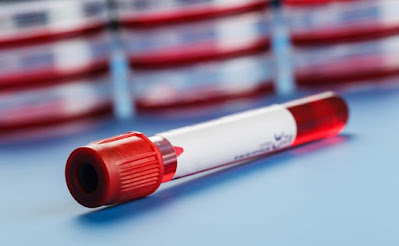
Blood coagulation tubes are used all over the world, especially in regions such as Singapore, United States, and Italy. Blood coagulation tubes have many clinical implications, such as the treatment of embolism, thrombosis, and deep vein thrombosis. The most common cause of bleeding in liver disease. As such, tests with blood coagulation tubes can be used to monitor the progress of the liver disease. Liver disease can result in thrombosis, which is an accumulation of blood in one area or in another. Liver disease, if left untreated, can lead to complications such as portal hypertension and eventually to liver failure. This happens when the liver is unable to remove or eliminate the surplus blood from the area where the thrombosis is located.

Tests with blood coagulation tubes can also be used to monitor the progression of the symptoms of portal hypertension and peripheral arterial occlusive disease. These diseases are characterized by a progressive decrease in the blood flow to the peripheral areas of the body. Patients with portal hypertension and peripheral arterial occlusive disease may have increased levels of calcium in the cerebrospinal fluid caused by damage to the inner arterial walls, causing the blood coagulation to decrease. In regions such as the United States, the increasing prevalence of diagnostic and medical labs in the United States, has increased the usage of blood coagulation tubes. For instance, according to PhRMA Org, in 2020 there were around 28,140 labs in the U.S.

In acute liver diseases, blood coagulation tubes may be used to monitor the progression of the thrombotic process. Usually, this is done after the patient has died. The blood flow is studied over a period of several days. Newer procedures such as the transvaginal ultrasound, which can visualize blood coagulation tubes in the liver, are more commonly used these days. Other coagulation tests with blood coagulation tubes include the study of platelet and fibrin clot growth, which are caused by the coagulation of blood vessels with thromblasts. Another procedure called venography uses an infrared camera to detect vessel inflammation, either in the liver or in other tissues. If the inflammation is found within a blood vessel, thrombosis will be detected and the thrombus will be removed. In more specialized coagulation tests, ultrasound waves will be used to stimulate platelet and fibrin production.

Bariatric Surgery Devices Are Used For Bariatric Surgery, Which Is a Weight Loss Surgery and Is Approved By Several International Health Organizations


Bariatric Surgery Devices Market


Bariatric surgery devices are used all over the world, especially in regions such as the U.S., U.K., and Italy. Bariatric surgery has become one of the most popular and widely used weight loss techniques in the United States. It is also widely acknowledged as a promising medical intervention for certain health conditions associated with obesity. This surgical procedure has been approved by the FDA (Food and Drug Administration) as one of the best options for weight loss and management. Bariatric surgery devices involve a series of different procedures done on patients who are severely obese. Long-term weight loss via the standard of care methods mostly achieves long-term weight reduction through alteration of appetite and metabolic rates, resulting in new weight status. Bariatric surgery devices are specifically designed to address the nutritional and physical needs of obese patients and to help them achieve a long-term healthy weight.

Obesity can result in a number of serious health problems, which can eventually result in death if not treated properly. Some of the common side effects of obesity include high blood pressure, cardiac problems, sleep apnea, diabetes, osteoporosis, high cholesterol, and certain types of cancer. Obesity and being overweight increases a person's risk of developing numerous other health problems, some of which are deadly. High blood pressure and heart disease may develop if excessive weight is kept over a prolonged period. Bariatric surgery devices can be an effective treatment to lose weight if the health complications are mild or moderate. In a region such as the United States, the increasing prevalence of obesity has increased the requirements for bariatric surgery devices. For instance, according to Healthline Media, around 36.5% of US adults suffer from obesity.

The major benefit of bariatric surgery devices is that it eliminates or reduces the risks of developing serious and life-threatening health problems associated with excess weight. One of these is heart disease. Patients who undergo this procedure have experienced significant decreases in their chances of developing cardiovascular diseases such as heart attacks and heart failure. Since excess stomach and duodenum weight causes the enlargement of the stomach and the resultant dumping of food into the intestines, the straining during bowel movements and excessive abdominal area burns off food in the body resulting in malnutrition. This leads to the formation of acids that cause further damage to the body.


Aroma Chemicals; an Important Group of Molecules Used As Ingredients in Flavors and Fragrances


Aroma Chemicals Market


Aroma chemicals are a mixture of natural and synthetic ingredients that are added to different substances to obtain the desired aroma/fragrance. The common ingredients found in perfume are limonene, methylene chloride, formaldehyde, camphor, benzaldehyde, ethanol, linalool, acetone, benzyl alcohol, and ethyl acetate. Potentially hazardous compounds, such as synthetic phthalates and musks are also widely used as perfume ingredients. Aromatic chemicals, along with essential oils, are used as key ingredients when preparing flavors and fragrances.

Moreover, aroma chemicals widely used in food, wine, spices, perfumes, soaps, detergents, and fragrance oils. These chemicals are also added to odorless gases to incorporate distinct smell. Thus, demand for aroma chemicals has increased in various end-use industries, such as food and beverage, cosmetics, and pharmaceuticals. According to Japan Flavor and Fragrance Materials Association (JFFMA), flavors and fragrances, and aroma chemicals are commonly found in daily life. Flavors are used in confectionaries, beverages, and processed foods.

Fragrances are widely used in cosmetics, perfumes, detergents, soaps, air fresheners, and more, while flavors, fragrances, and aroma chemicals are used in other categories, oral care products, pharmaceuticals, animal feed, etc. Thus, there is an increasing demand for aroma chemicals all over the world. This in attributed to the growing demand for healthcare products, cosmetics, personal care products, food (especially processed food), and household products worldwide. A number of aromatic chemicals are also used to manufacture flavors.

Aroma chemicals are often highly volatile which makes sense since their purpose is to provide scent or flavor. Synthetic aroma chemicals are an essential ingredient for manufacturers in food and beverage, cosmetics, and personal care. Formulations of fragrance from aroma chemicals are used worldwide, to impart attractive aroma and pleasing scents to toiletries, perfumes, and detergents. More than 1,200 fragrance chemicals currently in use have been flagged as potential or known chemicals of concern.


U.S. RFID Tags Market Growth Driven By Increasing Application of RFID in Healthcare Sector

RFID has made a significant impact on the healthcare industry over the past few years. The technology has been instrumental in reducing manu...